The Tenner After the Trolley: 12 Christmas Gifts That Cost More Once You Get Them Home

Photo: Bim24, CC0, via Wikimedia Commons
There is a particular kind of Christmas maths that only shows up on Boxing Day. The present looked like a steal in the aisle, the recipient was delighted for about forty minutes, and then somebody says the words that ruin the mood: "Have we got any AA batteries?"
That is the hidden tenner. It rarely appears on the shelf-edge label, and it almost never makes it into the Black Friday comparison. But it is real, it is predictable, and in 2026 it is worth doing the sum before you join the queue.
Why the sticker price is only the deposit
A gift is not the box. It is the box plus whatever it needs to actually work, plus whatever it costs to get it to the person, plus whatever it costs to send it back if it is wrong. Most of us are quite good at the first number and a bit woolly on the rest.
The good news is that this is one of the easiest false economies to spot. You do not need a spreadsheet. You need to read the small print on the back of the box, check what is in the box, and ask one blunt question: what does this cost to run for the first month?
The twelve, priced honestly
These are typical UK examples rather than specific models, because prices move. The point is the pattern, not the penny.
1. The big-box toy with "batteries not included" A £30 toy that needs four AA cells is a £36 toy if you buy a decent eight-pack at a corner shop. Buy the batteries with the gift, not on Christmas morning when the only open shop is the garage.
2. The remote-control car with its own battery pack Cheap RC cars often use a proprietary pack and a slow charger. A spare pack can add £12–£18, and without one the toy is out of action for hours at a time. Check whether it takes standard AAs or a makers' own pack.
3. The flat-pack play kitchen or dollhouse The hidden cost here is time and tools. If the box says a screwdriver and a mallet are needed, that is fine — unless you have neither. A basic tool kit is £10–£15, and the assembly is your Christmas Eve.
4. The kids' electric toothbrush The brush is often discounted hard in December. The replacement heads are not. A two-pack can run £8–£12 and needs changing every few months. If the brush is a gift, price the first year of heads, not just the handle.
5. The instant print camera This is the classic hidden-cost gift. The camera can be £50 and the film pack £15–£20 for a handful of prints. Children burn through film faster than you would believe. Budget for at least two packs or the gift is a one-afternoon wonder.
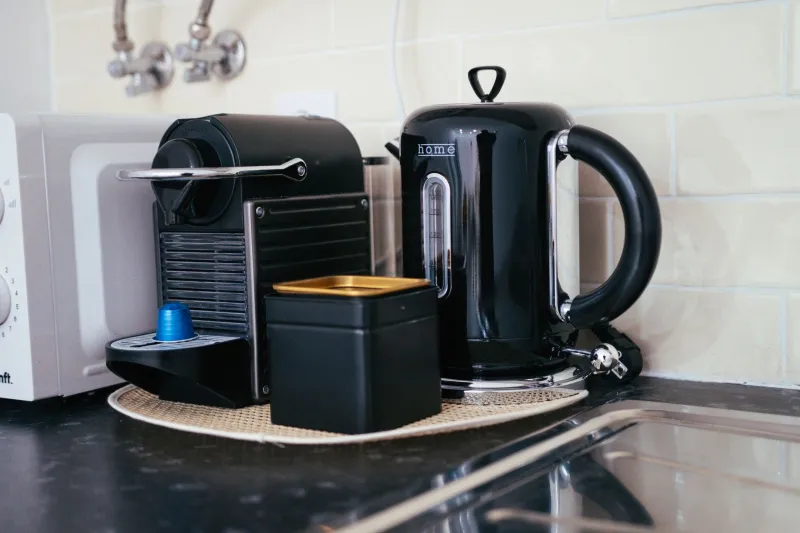
6. The capsule coffee machine A £45 machine with a "starter pack" of six capsules is not a coffee habit, it is a teaser. A month of capsules for one daily drink can easily be £15–£25. If the recipient likes proper coffee, check the cost per capsule before you commit.
7. The sparkling water maker The machine is the cheap part. The gas cylinder exchange and the bottles are where the money goes. A spare cylinder is usually £10–£15, and without one the machine is a very fancy paperweight after a few weeks.
8. The budget printer with "starter ink" Starter cartridges are famously half-full. A full set of replacements can cost more than the printer did. If a printer is on the list, check the price of XL cartridges and whether the model takes cheap third-party ink — or whether it is locked to the maker's own.
9. The bare cordless tool "Body only" is written in small letters for a reason. A drill or sander without a battery and charger is not a gift, it is a shopping list. Add £40–£70 for a genuine battery and charger, or make sure the recipient is already in that maker's battery system.
10. The cheap smartwatch with a magnetic charger The watch is £35. The charger is proprietary, so a lost cable is £10–£15 and a spare is worth having. Check the cable is included and whether it is USB-C or something more exotic.
11. The plug-in wax warmer or diffuser The unit is £15. The refills are £5–£8 each and last a few weeks. This is a subscription in disguise. A gift set with three refills is a better buy than a cheaper unit with one.
12. The online-only exclusive with paid returns A £40 saving on a £120 item is not a saving if the wrong size costs £4.95 to send back and you have to chase the refund. Check the returns policy before you click, especially on marketplace sellers.
The £10 that is not really a tenner
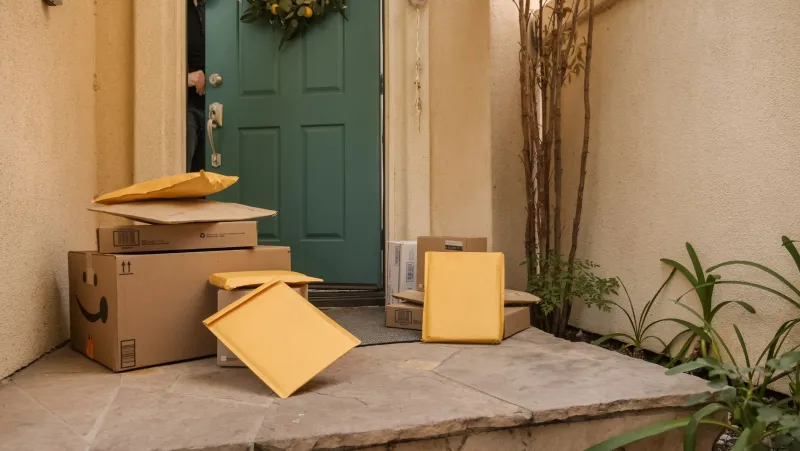
Here is the worked example. A £25 toy needs £6 of batteries. You buy a £2.50 gift bag and a £3 card. You post it second-class for £3.95 because you left it late. The total is £40.45. The toy was never the present. The present was the whole operation.
None of that means the toy is a bad buy. It means the deal was never £25. If you compare it with a £35 alternative that includes batteries and comes with free delivery, the "cheaper" one is actually the expensive one.
A pre-purchase checklist that fits on a sticky note
Before you pay, run through these five questions:
- What is in the box? Batteries, charger, cable, film, ink, tools, refills. If it is not listed, assume it is not there.
- What does it cost to run for the first month? Not forever. Just the first month, when enthusiasm is highest.
- Is the refill proprietary? If yes, price two of them before you buy the thing that needs them.
- What does delivery and return cost? Free delivery is not free if the return is £5 and the item is the wrong size.
- Do I already own the bits? A spare USB-C cable and a pack of AA batteries in the drawer can turn a "hidden cost" into a non-event.
Where the honest deals actually are
Bundles are not automatically bad. A toy that comes with batteries, a coffee machine that includes a decent starter set, or a tool that includes a battery and charger can be genuinely better value than the cheaper bare version. The trick is to compare like with like.
Retailers know we anchor on the headline price. That is why the accessory aisle exists. Your job is simply to move the anchor. Add the batteries, the film and the postage before you decide, and the deal you take home is the deal you actually got.