The Vanishing Gram: 15 Supermarket Buys That Got Lighter at the Same Shelf Price

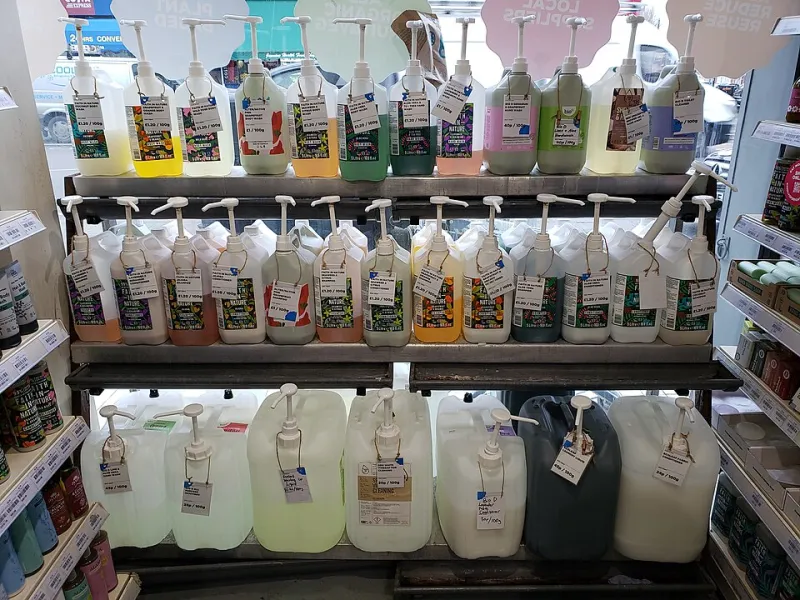
Photo: Stephen Craven , CC BY-SA 2.0, via Wikimedia Commons
You are not imagining it. The box feels a bit lighter, the bottle empties faster, and the tea bags seem to disappear before the weekend. In 2026, the shelf-edge price is only half the story. The other half is the number printed near the bottom of the pack — the net weight, the sheet count, the number of washes. Shrinkflation is rarely announced with a fanfare. It turns up as a 'new look', a 'improved recipe' or a quiet reformat, and the price stays exactly where it was.
That does not make every smaller pack a con. Sometimes a recipe changes, a supplier swaps a format, or a brand moves to a lighter bottle. But as a shopper, you are allowed to ask a simple question: am I still getting the same amount for my money? Here are 15 everyday buys to check, plus the quick shelf maths that stops a 'same price' comfort buy turning into a worse deal.
The 10-second shelf check
Before you drop anything in the trolley, look at three things. First, the unit price — usually shown as price per 100g, per 100ml, per wash or per sheet. That is the only number that lets you compare a 350g box with a 400g box without doing long division in the aisle. Second, the net weight or count. A six-pack that becomes a five-pack is a price rise even if the label has not moved. Third, the format. A bigger bag, a refill pouch or a different pack size can sometimes give you the old weight back — but only if the unit price says so.
The 15 to watch
1. Breakfast cereal. Family flakes, granola and own-brand hoops have all been through the smaller-box routine. A box that once held 500g can turn up at 430g or 450g with the same shelf price. Check the 1kg bag or the larger own-brand box — the unit price often beats the pretty smaller box.
2. Tea bags. Counts are the giveaway here. A box that used to hold 240 bags can drop to 200, and the grams per bag can fall too. If you buy by the bag, compare price per 100 bags rather than the box price.
3. Instant coffee. Jars and refill packs are classic downsizing territory — 227g to 200g, or 200g to 190g, while the label stays put. The larger refill pack is usually the better unit price, provided you will actually drink it before it goes stale.
4. Chocolate multipacks. A six-pack becoming a five-pack is one of the oldest tricks in the book. Bars can also get thinner without the wrapper looking much different. Compare the total grams, not the number of 'treats' on the front.
5. Crisps multipacks. Six bags become five; 25g bags become 22g. If the lunchbox staple is shrinking, check the bigger single bag or the larger multipack — but only if the per-100g price is genuinely lower.
6. Biscuits. A 300g pack becoming 250g is easy to miss because the outer box can stay roughly the same size. Give it a shake. If it sounds like there is more cardboard than biscuit, read the weight.
7. Washing powder and liquid. The wash count is the number that matters. A box that claims 30 washes can quietly become 25, and the dose cap can change too. Compare price per wash, not price per box.
8. Toilet roll. Rolls can stay the same while sheets per roll fall. Check the sheet count and ply, not just the number of rolls in the pack. A 12-pack with fewer sheets can be worse value than a 9-pack with more.
9. Shampoo and conditioner. Bottles that were 400ml can become 350ml or 300ml with a slightly taller shape. The own-brand refill or the larger family bottle often wins on price per 100ml.
10. Yoghurt multipacks. Four pots of 125g becoming four pots of 110g is a quiet 60g loss across the pack. If you buy for lunchboxes, check the total grams and compare with the larger tub you decant yourself.
11. Cheese blocks. A 400g block becoming 350g is common, and the wrapper can look almost identical. The larger block or the own-brand deli counter is often better value — but only if you will use it before it turns.
12. Butter and spreads. A 500g tub becoming 450g is easy to miss when the price stays the same. Check the unit price and compare with the block format if you mainly use it for cooking.
13. Pasta and rice. A 500g pasta bag becoming 450g, or a 1kg rice bag becoming 900g, is a small-looking change with a real effect on the meal plan. The larger bag is usually better value if storage is not a problem.
14. Frozen peas. A 1kg bag becoming 900g is a classic freezer downsizing move. Frozen veg is still good value, but compare the per-kilo price across own-brand and branded bags.
15. Squash and cordial. A 1 litre bottle becoming 750ml can catch you out because the bottle shape may barely change. Check the dilution instructions too — a weaker concentrate means you use more per glass.
When the bigger pack actually wins
Bigger is not automatically better. A giant bag of crisps that goes stale, or a 2kg bag of rice that lives in the cupboard until 2028, is not a bargain. The test is simple: will you use it at the same rate before it spoils? If yes, the larger pack usually wins on unit price. If no, the smaller pack is fine — just buy it with your eyes open.
It is also worth looking past the comfort buy. If your usual brand has shrunk from 400g to 350g, a rival's 400g pack at a similar price may be the better deal. Own-brand versions are not automatically inferior either. In cereals, pasta, frozen veg and washing powder, the unit price often tells a more honest story than the logo on the box.
The 'same price' trap
Loyalty prices and multibuys can make a downsized pack feel like a win. A 'was £3, now £2.50' label is only useful if you know what the pack used to weigh. If the pack has shrunk and the 'offer' price is close to the old full price, it may not be an offer at all. Keep a rough note on your phone of the pack sizes you buy most often — tea bags, coffee, loo roll, washing liquid. It sounds fussy, but it takes seconds and it stops the slow drift.
A five-second rule before checkout
Turn the pack over. Find the net weight or count. Compare the unit price with the pack next to it. If the shelf label says 'new pack, same great value', treat that as a prompt to check, not a promise. That is not being cynical. It is just doing the maths the shelf-edge label hopes you will skip.
Shrinkflation is annoying precisely because it is small. No single change feels worth a complaint. But across a weekly shop, those vanishing grams add up. The fix is not to boycott every brand — it is to buy the format that still gives you the amount you actually need, at the price per gram that makes sense.