Pennies Here, Pounds There: The Real Cost of 15 Essentials at a Corner Shop
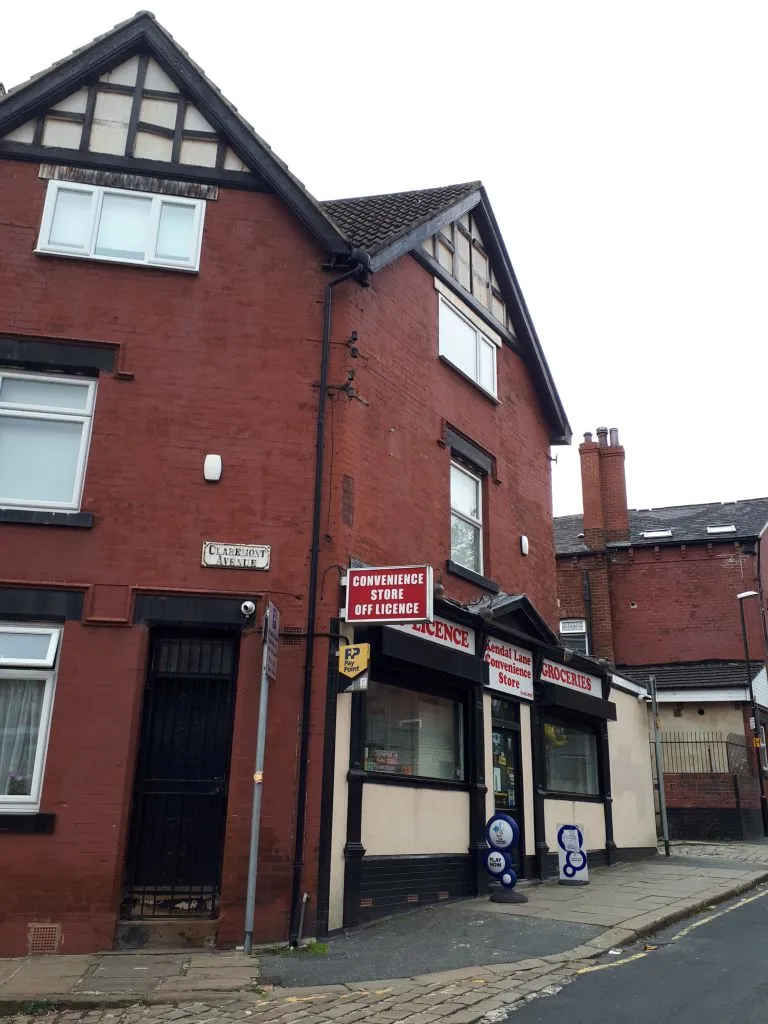
Photo: Stephen Craven , CC BY-SA 2.0, via Wikimedia Commons
Convenience stores are useful. That is worth saying before we start, because the 'corner shop tax' is real but it is not uniform. A pint of milk at Tesco Express is not the same financial event as a bottle of laundry detergent at Spar. One is a mild irritation; the other is a quiet budget leak.
To see where the line falls, we priced 15 everyday essentials at Tesco Express, Sainsbury's Local, Co-op and Spar in autumn 2026. We compared each with the same or closest own-brand item at a large-store format — a Tesco Extra, a big Sainsbury's, a larger Co-op or a Morrisons. Prices are rounded ranges because shelf-edge pricing moves by region and store. Treat this as a map, not a receipt.
The 15 essentials, priced
| Essential | Convenience format | Large-store equivalent | Typical gap | Verdict |
|---|---|---|---|---|
| Milk, 2 pints | £1.35–£1.55 | 95p–£1.15 | 30–50p | Fine for a top-up |
| White sliced loaf, 800g | £1.10–£1.35 | 65p–85p | 35–50p | Fine for a top-up |
| Pasta, 500g | £1.10–£1.30 | 65p–90p | 40–50p | Fine for a top-up |
| Eggs, 6 | £1.85–£2.20 | £1.25–£1.55 | 60–70p | Borderline |
| Butter, 250g | £2.50–£2.90 | £1.75–£2.20 | 70p–£1 | Buy big-store |
| Cheddar, 400g | £3.50–£4.00 | £2.50–£3.00 | About £1 | Buy big-store |
| Washing-up liquid, 450ml | £1.75–£2.00 | £1.00–£1.30 | 60–75p | Buy big-store |
| Loo roll, 4-pack | £2.50–£3.00 | £1.50–£2.00 | About £1 | Buy big-store |
| Kitchen roll, 2 rolls | £2.50–£3.00 | £1.50–£2.00 | About £1 | Buy big-store |
| Baked beans, 4-pack | £3.50–£4.25 | £2.50–£3.00 | £1–£1.25 | Buy big-store |
| Tea bags, 80 | £2.50–£3.00 | £1.50–£2.00 | About £1 | Buy big-store |
| Frozen peas, 1kg | £2.50–£3.00 | £1.50–£2.00 | About £1 | Buy big-store |
| Cereal, 500g | £2.50–£3.00 | £1.50–£2.00 | About £1 | Buy big-store |
| Bin bags, 20 | £3.00–£3.75 | £2.00–£2.50 | About £1 | Buy big-store |
| Laundry detergent, 25 washes | £7.50–£9.00 | £5.00–£6.00 | £2–£3 | Buy big-store |
Where the premium is pennies
Milk, bread and pasta are the least painful. The gap is real, but it is the sort of money you can shrug at if you are already out and the alternative is a second bus ride. Eggs sit on the borderline: 60–70p is not nothing, but it is still a small basket-level hit.
This is the category where a local top-up shop makes sense. You are paying for proximity, not for a premium product, and the financial damage is limited. If you need milk, bread and something for tea, the convenience format is doing its job.
Where it turns into pounds
The bigger problem is the household stuff. Loo roll, kitchen roll, bin bags, tea, beans, frozen peas and laundry detergent are where convenience formats stop being convenient for your bank balance. A 4-pack of loo roll at £2.50–£3 is not outrageous in isolation. But if you buy that every week instead of a £1.50–£2 large-store pack, you are paying £26–£52 a year for the privilege of not planning ahead.
Laundry detergent is worse: £2–£3 extra per bottle, every few weeks, adds up fast. Bin bags and kitchen roll are the same story in miniature. None of these items are urgent in the way milk is urgent. They are the things you should be buying in a bigger shop, not replacing at 8pm because you forgot.
When a local top-up shop is worth it
Use the corner shop when:
- You need one or two items and the alternative is a special trip.
- The item is fresh, short-life or heavy — milk, bread, a single veg item.
- You are buying at a discount time or the local store has a genuine markdown.
- You are on foot and a bus fare would cancel the saving.
When it is quietly blowing the budget
Avoid the convenience format for:
- Big-pack household goods — loo roll, kitchen roll, bin bags, detergent.
- Multibuy staples — beans, tea, frozen peas, cereal.
- Anything where the pack size is small and the unit price is hidden.
- A 'big shop' disguised as a top-up. If you leave with a basket rather than a bag, you have probably crossed the line.
Rules for 2026
- Keep a big-store list on your phone. Add to it when you notice a low staple, rather than replacing it at the local store.
- Check the unit price, not the pack price. Convenience stores are experts at making a small pack look normal.
- Decide before you go in. A list of two items is a top-up; a browse is a budget decision.
- Use the local store for emergencies, not the weekly reset.
- If you are paying more than £1 over the large-store price for a household staple, wait.
The bottom line
The corner shop tax is pennies on milk and pounds on detergent. That is the whole trick. A local top-up is worth it when it saves you a journey; it is not worth it when it becomes your default grocery shop. Buy the small, fresh things locally. Buy the bulky, boring things in bulk.