The Comparable Item Rule: 12 Price Promises That Can Fall Apart at the Till in 2026

Photo by Photo by Tom Grünbauer on Unsplash on Unsplash
Supermarket price matches look like a handshake. A shelf label says something like Aldi Price Match or Price Match, and the assumption is that the till will honour it without a second thought. In practice, the promise is conditional. It usually applies to a defined list of products, in a defined size, at a defined store format, and sometimes only when you have the right loyalty card or buy the right number. The handshake only works if both sides are holding the same item.
That is not a reason to ignore the schemes. It is a reason to read them the way you would read a mobile phone contract: quickly, suspiciously, and with a calculator nearby. In 2026, Tesco, Sainsbury's, Asda and Morrisons all use some version of price matching or member pricing, and the differences matter most on the boring things you buy every week. A matched price on a smaller pack can still be a worse deal. A match that applies in a superstore may not apply in a convenience branch. A promise that looks simple on the shelf edge can get complicated at the till.
The promise is conditional
The first thing to understand is that most price-match schemes are not comparing your whole trolley to a rival's whole trolley. They compare specific own-brand products, usually like-for-like, and they often exclude branded goods, premium lines, multibuys and products sold by weight. Tesco's Aldi Price Match and Sainsbury's Aldi Price Match are built around selected everyday items. Asda has used price matching against Aldi and Lidl. Morrisons has used price-match campaigns and More Card prices. The details change, so the shelf label and the current terms are the only reliable guide.
A Tesco Express is not a Tesco Extra. A Sainsbury's Local is not a Sainsbury's superstore. If you are shopping in a smaller format, assume the match may not travel with you unless the label says it does. The same goes for online shops, petrol stations and some franchise stores. The promise is often tied to a particular store type, and the receipt will tell you which one you actually paid at.
Where the match usually holds
The safest matches tend to be plain, own-brand, everyday lines in standard sizes. Think milk, bread, eggs, pasta and frozen vegetables. These are the products the schemes use to make a point about everyday affordability, and they are the ones most likely to be compared on a like-for-like basis. Even then, check the pack size. A match on a 500g box is not a match on a 1kg box, and a match on a 2-pint bottle is not a match on a 2-litre bottle.
Loyalty cards add another layer. Some prices are member-only rather than price-matched, which means the shelf price may be higher than the price you actually pay after scanning your card. That is fine if you have the card and remember to use it. It is less fine if you are comparing the shelf label with a rival's shelf label and assuming they are the same thing. Read the label as a set of conditions, not a slogan.
Where it slips: pack size, brand and store format
The most common catch is pack size. Supermarkets are very good at selling similar products in slightly different weights. A 227g block of butter sits next to a 250g block. A 900g bag of frozen peas sits next to a 1kg bag. A 20-wash box of laundry capsules sits next to a 30-wash box. If you compare the front-of-pack price without checking the unit price, you can convince yourself you have found a match when you have actually found a smaller item at a similar price.
Brand is the second catch. A price match on own-brand baked beans does not automatically apply to a branded tin. A match on standard tea bags does not automatically cover decaf or premium blends. A match on white sliced bread does not automatically cover seeded or sourdough. The schemes are usually explicit about this, but the shelf label can be small and the difference can be easy to miss when you are shopping quickly.
12 everyday buys worth checking before you switch stores
-
Semi-skimmed milk. Check whether the match is on 2 pints, 1 litre or 2 litres. The shelf label may quote a pack price while the comparison uses price per litre, and your receipt will show which one you actually bought.
-
Own-brand butter. Blocks can be 250g, 227g or 200g. A lower shelf price on a smaller block is not a match. Compare price per 100g and check salted versus unsalted.
-
Eggs. Six medium, ten mixed-weight and twelve free-range are different products. Check the box count and egg size before assuming the promise travels.
-
Sliced bread. An 800g loaf is not a 650g loaf, and seeded is not white. Also check whether the match applies to the everyday own-brand line rather than the bakery counter.
-
Dried pasta. 500g versus 1kg, fusilli versus penne, and own-brand versus branded. The unit price on the shelf edge is the quickest tell.
-
Baked beans. A four-pack is not a single tin, and reduced-salt is not the standard recipe. Check the multipack total weight, not just the number of tins.
-
Tea bags. Boxes of 80, 100 and 240 are not interchangeable. Check bag count and whether the match covers the standard blend or only the decaf version.
-
Instant coffee. Jar sizes of 100g, 200g and 227g appear side by side. Compare price per 100g; a match on a smaller jar can still leave you worse off per cup.
-
Washing-up liquid. Bottles of 450ml and 500ml look similar. Check whether the match is on standard or concentrated formula, and whether it is a single bottle or a pack.
-
Laundry detergent. Capsules and liquids are priced by wash count. A 20-wash box at a matched price is not the same as a 30-wash box, even if the front of the pack looks familiar.
-
Toilet roll. Compare sheets per roll and total rolls, not just the pack size. A nine-roll pack can be better or worse value than a twelve-roll pack depending on sheet count and ply.
-
Frozen peas. 1kg versus 900g, garden versus petit pois. The freezer aisle is full of near-identical bags, and the match may only cover the standard own-brand line.
The receipt is part of the deal
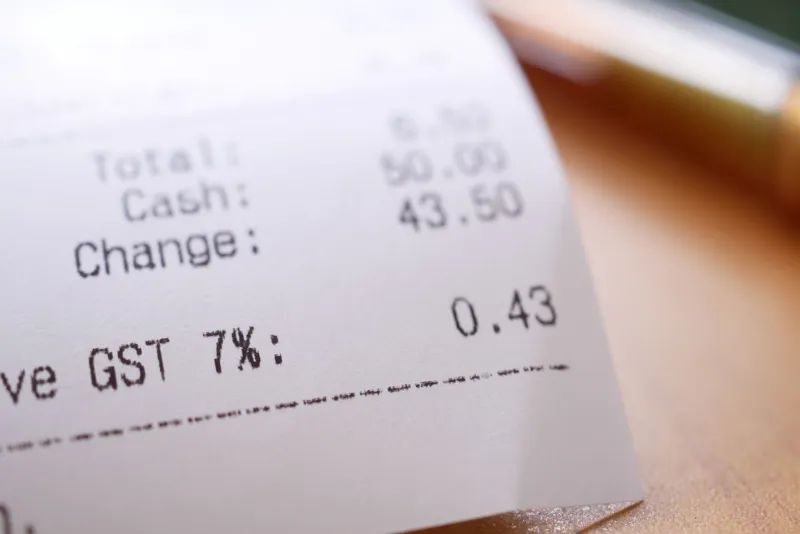
A price match is not finished when you put the item in the trolley. It is finished when the receipt prints. Keep the receipt until you have checked the item description, the pack size, the quantity and any multibuy discount. If something looks wrong, customer services will usually need the exact product name and the store where you bought it. The shelf label is evidence, but the receipt is the record.
This is also why it pays to check the terms before you switch stores for one item. A 20p saving on a matched pack is not a saving if you spend £3 on a bus fare to get it. The schemes are useful, but they are not charity. They are marketing with conditions attached, and the conditions are where the everyday shopper either wins or quietly pays for the privilege of believing the label.