Scan, Don't Assume: 15 Everyday Trolley Buys Where the Barcode Has the Final Word
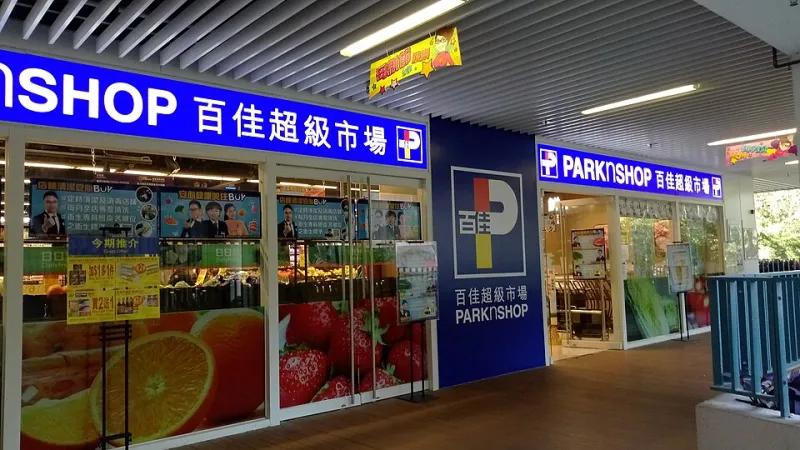
Photo: SecurityXP, CC BY-SA 4.0, via Wikimedia Commons
There is a particular aisle moment in 2026: the shelf label is smudged, the multibuy wording is vague, and your phone is already in your hand. Rather than guess, you scan the barcode. Sometimes the price that comes back is lower. Sometimes it is identical. Occasionally it is higher because a third-party app is showing an online price that has nothing to do with the store you are standing in. The phone is not a magic discount button. It is a second opinion.
I spent a fortnight scanning 15 ordinary household buys across a mix of big supermarkets and discounters, comparing what the shelf edge said with what the store app or price-check tool returned. This was not a scientific audit. It was a shopper's test: same items, same week, phone out, patience on. The useful result was not a list of guaranteed wins. It was a shortlist of items where a barcode check is worth the extra five seconds, and a few where it is just theatre.
What the barcode actually tells you
A barcode identifies the exact product. The retailer's system then returns the current price, any multibuy, and any member-only deal attached to that product. The shelf label is updated by a human, often under time pressure, and it can lag behind a promotion or fail to spell out that a lower price only applies with a loyalty card. That is why the scan and the label disagree.
The important caveat is where the scan happens. A retailer's own app or an in-store price checker is useful because it is tied to that store's pricing. A random barcode app may pull in data from elsewhere, including online listings, and that is not a till price. Use the shop's own tool where it exists, or ask staff to run a price check. If the scanned price is lower, you have something concrete to point to. If it is higher, do not assume the shelf label is wrong either — promotions can end overnight.
The 15-item shortlist
These are the everyday buys I tested. The verdict is about whether a quick scan reliably helped, not whether the item is good value in absolute terms.
Where scanning reliably paid
- Own-brand bin liners — shelf labels often show the single-roll price while the scan picks up a two-for deal.
- Breakfast cereal — useful when a multibuy is live but the shelf edge only shouts about the headline price.
- Laundry pods — member pricing is the common gap between label and scan.
- Kitchen roll — larger packs frequently carry a scan-only or app-only promotion.
- Dishwasher tablets — bulk boxes are prone to shelf-edge lag.
- Tea bags — a classic multibuy item where the barcode tells the fuller story.
- Toilet roll — loyalty-card prices often appear on scan before they are clear on the shelf.
- Frozen peas — bag promotions and weight-based comparisons make the scan a useful cross-check.
Where it was a coin toss
- Pasta sauce — sometimes a multibuy, sometimes nothing. Scan only if the shelf label looks ambiguous.
- Shampoo — member deals come and go; the barcode is helpful but not dependable.
- Batteries — pack sizes and promotions vary enough that a scan can surprise you either way.
- Cat food — multipacks are a minefield of similar barcodes and shifting offers.
Where I would leave the phone in my pocket
- Milk — price-controlled and rarely worth the queue delay.
- Own-brand cola — stable pricing; the label is usually telling the truth.
- Eggs — shelf-edge clarity is generally fine, and scanning adds little.
The pattern behind the wins
The items that rewarded a scan tended to share one feature: a promotion with a condition. Two-for-£X, member price, larger-pack deal, app-only coupon. The shelf label has to compress all of that into a small ticket, and something often gets lost. The barcode does not care about the ticket design. It just returns the rule.
That is why bin liners and dishwasher tablets were more useful to scan than milk. The boring single-price items rarely move. The conditional offers are where the gap opens up.
The till-point script that keeps the queue moving
If the scan is lower than the label, do not wave the phone at the cashier from three trolleys back. Take a screenshot of the scanned price, note the shelf label, and wait until you are at the till. Then keep it brief and calm.
Sorry to interrupt — when I scanned this it came up at £X, but the shelf label says £Y. Could you check before we carry on? I am happy to step aside while you verify it.
Stepping aside is the important bit. A price query is reasonable; holding up a queue of people with frozen food is not. If the staff member confirms the lower price, great. If they say the shelf label was out of date or the promotion has ended, you can decide whether the item is still worth buying. Do not turn a 30p difference into a moral stand. The point of the scan is to shop more accurately, not to win an argument.
A small habit, not a treasure hunt
Phone scanning works best when it is occasional and targeted. Use it on the conditional offers, the member prices and the bulk buys where the shelf edge is doing a lot of work with very little space. Ignore it for milk. And always remember that the barcode is a clue, not a coupon. The final word still belongs to the till — but a quick scan can at least make sure you are not paying more than the shop itself intended to charge.