The Till Roll Doesn't Lie: 12 Receipt Signals Worth Checking Before You Buy That Again
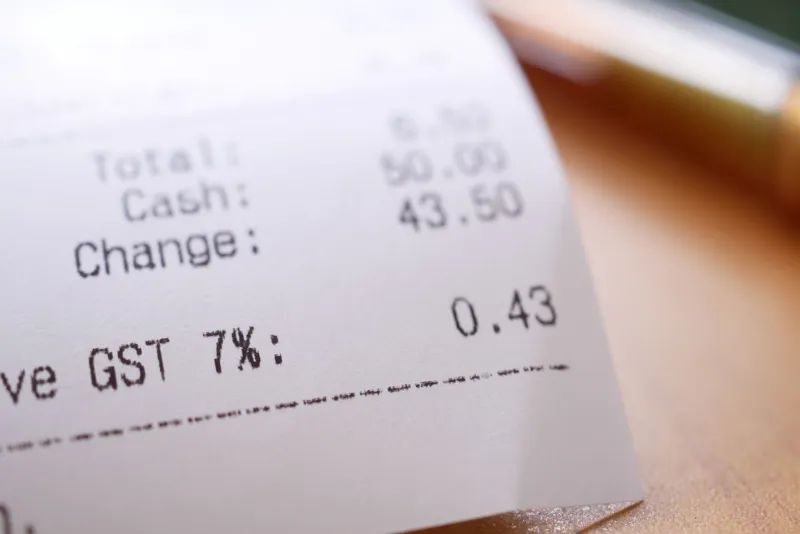
Most receipts get a two-second look: total, maybe the last item, then straight into the bag or bin. That is a waste. A till roll is one of the few bits of paperwork that tells you exactly what a shop charged, how it labelled the deal and whether the saving you thought you were getting actually landed. It is not about becoming a receipt hoarder. It is about using the paper in your hand as a quick feedback loop before you decide to buy the same thing again.
In 2026, with more member prices, app vouchers and own-brand ranges than ever, the receipt is often the only place where the real numbers sit side by side. Here is a 12-point audit to run after a normal weekly shop. None of it requires a spreadsheet.
Why the Till Roll Deserves Ten More Seconds
Shelf labels are marketing. The receipt is the transaction. That difference matters when a multibuy does not trigger, when a member price is missing, or when the pack size has quietly shrunk but the price has not. You do not need to challenge every line at the till. You do need to know which lines are worth checking before the next shop.
The 12-Point Receipt Audit
- The offer line that never appears. If the shelf said three for £5 but the receipt shows three separate prices and no saving line, the deal may not have scanned. Check before you leave the store; customer services can usually correct it on the spot.
- The unit price on the line. Many receipts print price per 100g or per litre. Compare that figure with the shelf label or your last receipt. A pack that looks the same can hide a smaller fill weight and a higher unit price.
- The member-price split. Some receipts show the non-member total and the member saving separately. If you forgot your card, that line tells you what loyalty actually cost you. It is also a useful check on whether the membership is earning its keep.
- The multibuy shortfall. Offers such as three for £6 often need all three items to scan. If you bought two, the receipt may show full price. That is not a scam, but it is a clue that the deal only works if you genuinely need the full quantity.
- The coupon expiry line. Paper coupons and printed vouchers usually carry an expiry date near the tender line. If a coupon was rejected, the receipt may show why. Keep the ones that expire soonest at the front of your wallet.
- The reduced-item flag. A yellow sticker should produce a clear reduction line. Check that the reduced price is the one you paid and that the original price is not being used to make a small saving look bigger.
- The price-match or price-promise line. Some supermarkets print a price-match adjustment or a promise line. If an item was meant to be matched and no line appears, ask. If it does appear, note which products qualified; exclusions are common.
- The carrier bag charge. It is small, but it repeats. If you are paying for bags every week, the receipt is a gentle nudge to keep a foldable one by the door.
- The loyalty points line. Check the points earned against what you expected. Base points, bonus points and app vouchers can appear separately. A missing bonus is easier to fix while the receipt is fresh.
- The VAT line. Most food is zero-rated, but household goods and some drinks are not. The VAT total is not usually a deal clue, but it helps when you are comparing a supermarket household aisle with a discount store.
- The returns window and receipt ID. For anything beyond groceries, photograph the receipt. The returns window, store number and till ID are your proof if the item fails. A guarantee is only useful if you can find the paper.
- The store, date and time. This is the quiet one. If you shop late, the time stamp helps you spot when reductions tend to appear. If you query a price, the date and till number speed things up.
What to Do With the Clues
Do not turn every shop into a confrontation. Most receipt errors are boring scanning or labelling mistakes, and a calm trip to customer services sorts them out. The bigger win is pattern spotting. If the same own-brand item keeps showing a lower unit price than the brand, and the family actually eats it, that is a repeat buy. If a multibuy only works when you buy more than you need, it is not a deal; it is stockpiling with a smile.
A simple rule helps: a deal earns a second buy only if it passes three checks. The unit price is genuinely lower, the offer actually came off at the till, and you would have bought the item anyway. Two out of three is usually not enough.
The Line Most People Miss
The unit price is the quiet hero of the till roll. It is the one figure that lets you compare a smaller own-brand pack with a bigger branded one without doing sums in the aisle. It also exposes shrinkflation faster than any shelf talker. Keep one recent receipt in your bag or take a photo of the unit-price lines for the staples you buy most. Next time the pack looks a little different, you will know whether the price moved with it.
Receipts are not glamorous. But they are honest. Ten seconds with the till roll after unpacking the shopping can save you from repeating a dud deal for months.