The Second-Bottle Rule: 12 Cleaners Where the Refill Actually Pays in 2026
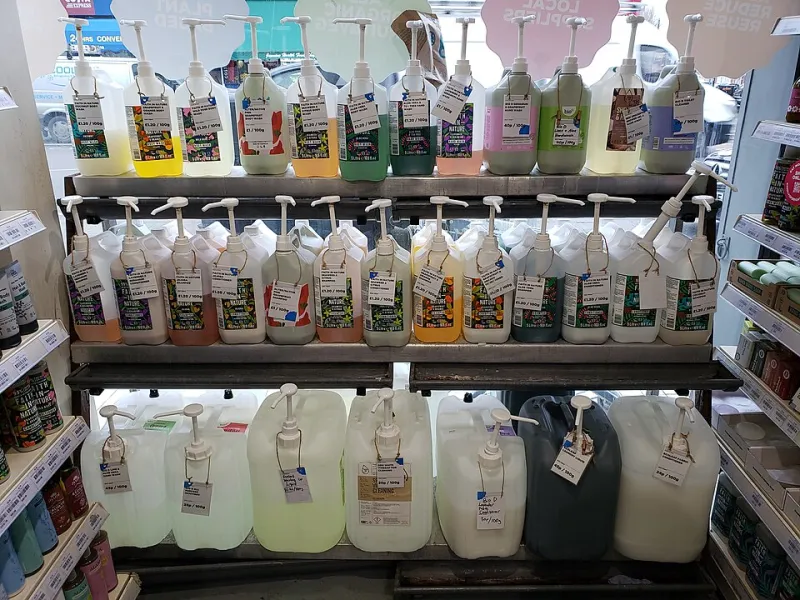
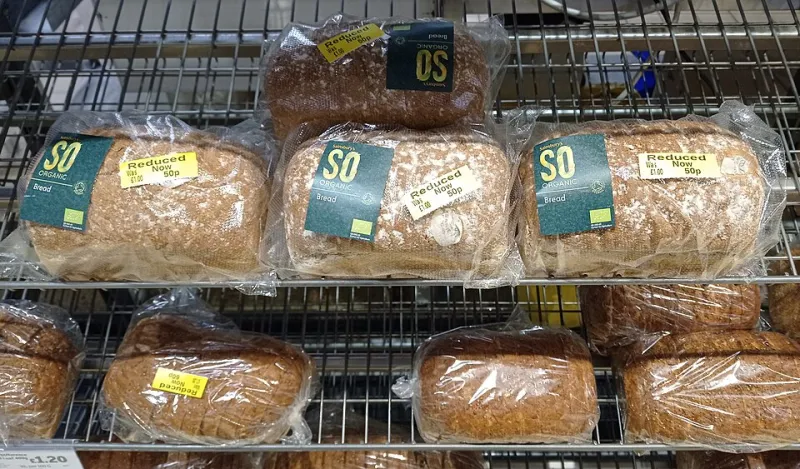
Photo: Andy Li, CC0, via Wikimedia Commons
There's a moment in every refill purchase where you stand in the aisle holding a flimsy pouch in one hand and a chunky trigger bottle in the other, and the maths in your head gets loud. The pouch is smaller. It's uglier. Somehow it costs nearly as much as the full thing. Is this a saving, or are you paying for the warm feeling?
Mostly it's a saving — but not in the way the shelf-edge labels suggest. The trick is that refills win on cost per dose, not on cost per bottle, and the gap between those two numbers is exactly where the green premium hides. Below are 12 cleaners we've run the maths on across supermarket, discounter and refill-brand shelves, sorted into the ones that genuinely pay and the ones that flatter to deceive.
Three numbers before you commit
Price per litre is the headline everyone quotes and it lies constantly. What actually matters:
- Cost per dose. A concentrated floor cleaner at a scary price per litre but 20ml per bucket beats a cheap dilute one at 60ml every single time.
- The bottle break-even. Divide the refill price by the full-bottle price. If the refill isn't at least a third cheaper, you're paying for the privilege of reusing a bottle you already own.
- Cost per wash or per load. Laundry and dishwasher refills only make sense measured by the cycle, never by the pack.
One more check: is the refill a concentrate or a pre-diluted top-up? Water is free from the tap. If you're buying a litre of scented water in a pouch, that's not a refill, it's a donation.
Where the refill genuinely wins
1. Washing-up liquid. The big own-brand catering-style bottles — the ones lurking in the household aisle rather than the washing-up section — routinely land at a fraction of the per-litre cost of a branded 450ml bottle. If you've got the cupboard space, this is the single easiest win on the list.
2. Laundry detergent. The 5-litre refill bottles from the eco-leaning brands are genuinely cheaper per wash than their own small bottles, and the concentrate means fewer millilitres per load. Fair warning: supermarket own-brand powder in a big box still undercuts almost everything on cost per wash. Sustainability and thrift aren't the same argument, so pick which one you're actually shopping for.
3. Surface spray. A 500ml refill for a trigger you already own is typically 40–50% cheaper than a new trigger bottle. The catch is the trigger itself — cheap ones seize up after three refills. Keep one good spray head, decant into it, and treat the rest as disposable.
4. Floor cleaner concentrate. Eye-watering per litre, pennies per bucket. A £3-ish concentrate that does 20 buckets is a better deal than any ready-to-use mop spray, and it takes up less shelf space.
5. Toilet cleaner. Refill bottles under the rim cleaner are cheaper per dose than fresh bottles with new angled necks. That said, a £1 own-brand thick bleach does 90% of the job for most households, so don't overthink this one.
6. Multi-surface anti-bacterial concentrate. Own-brand concentrates and the discounters' big bottles are the quiet heroes here — dilute in a spray bottle and you've effectively made four bottles for the price of one.
7. White vinegar, 5 litres. Not a refill in the marketing sense, but the cheapest descaler, glass cleaner and rinse-aid top-up you can buy. One bottle replaces three separate products.
8. Dishwasher tablets. Own-brand tablets and subscription refills have closed the gap on the big brands enormously. Buy a small pack first, check your machine's rinse performance, then commit to the big box.
Where the green premium still bites
9. Eco-brand surface refills sold online. Some subscription refills work out dearer per litre than a supermarket own-brand full bottle. Convenient, yes. Cheaper, no. Check the unit price before you fall for the messaging.
10. Hand soap pouches. Refill pouches beat new pump bottles, but bar soap beats both on cost per wash by a country mile. If budget is the point, this is the swap.
11. Fabric conditioner refills. Often barely cheaper than a large own-brand bottle, and the concentrated versions tempt you into over-dosing. Measure with the cap, not by instinct.
12. Tablet-and-bottle 'eco' cleaning kits. The starter kit is where these live or die — the hardware is priced like a gift and the refills are where the money is made. Work out the year-one cost before you sign up to anything.
The two-minute shelf maths
You don't need a spreadsheet. You need your phone's calculator and a bit of nerve.
- Divide the price by the litres, then divide again by the dose size. That's your real cost per use.
- Compare the refill pouch against the full bottle, not against the 'was' price on the label. Yellow stickers and multibuys distort everything.
- Look at the plastic, not just the price. Many refill pouches still aren't kerbside recyclable, so check your council's rules before you congratulate yourself.
- Ask whether you'd buy the product at all if it weren't refillable. A mediocre cleaner in a pouch is still a mediocre cleaner.
The rule of thumb
Refills pay when the product is concentrated and the bottle is genuinely reusable. They don't pay when the refill is mostly water, when the subscription locks you in, or when a £1 own-brand bottle does the same job. Buy the second bottle, keep the trigger, and let the pouch earn its place on the shelf — not the other way round.